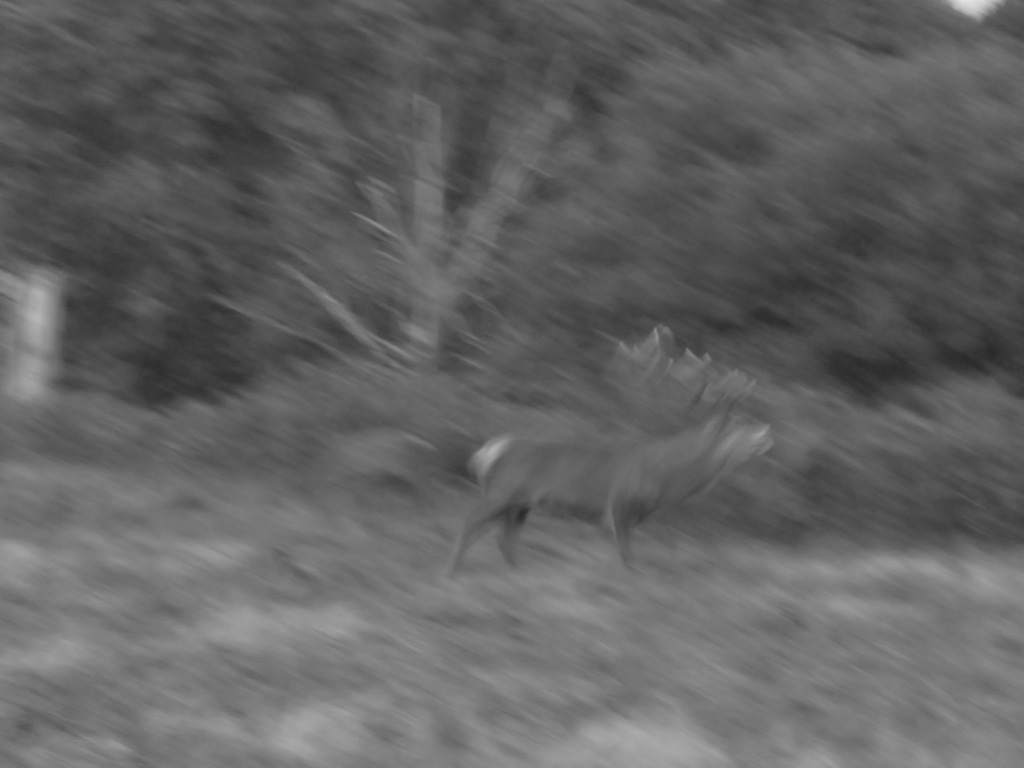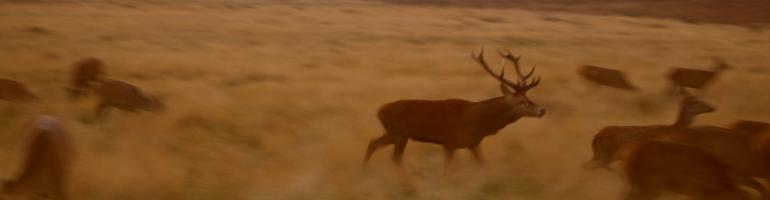
Tracks of the Stag © A. Monroe 2006.
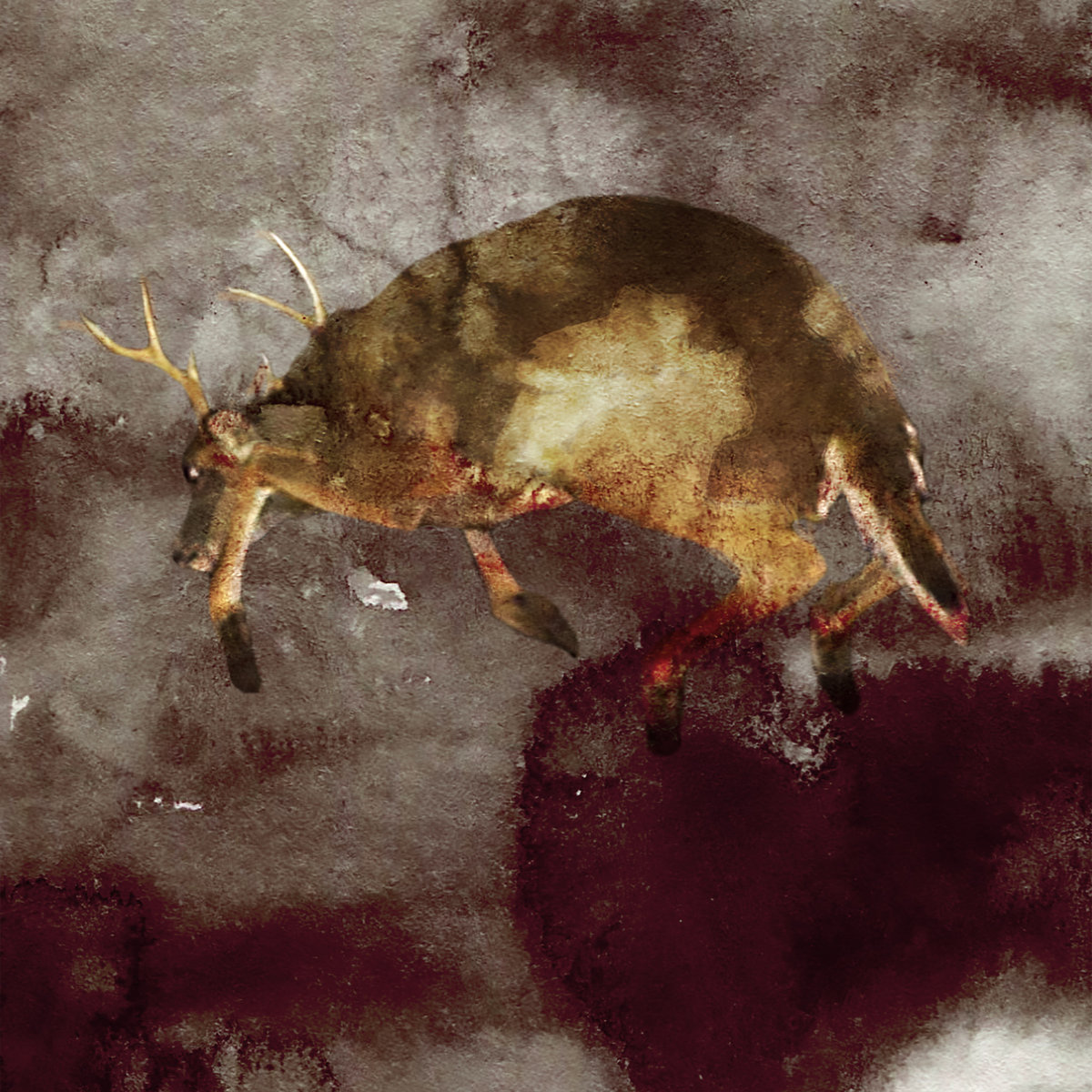
The concept of the “found stag” (cerf trouve) is a way of marking chance encounters with symbolic stags and deriving aesthetic or theoretical significance from them. The key elements here are (initial) unexpectedness, randomness and inexplicability. There are numerous cases of symbolic stags appearing or being deployed in apparently unrelated contexts, such as this Japanese airline advert. Stag-related imagery seems especially prevalent in advertising and there are many hyper-contemporary examples, often for seemingly unrelated products.
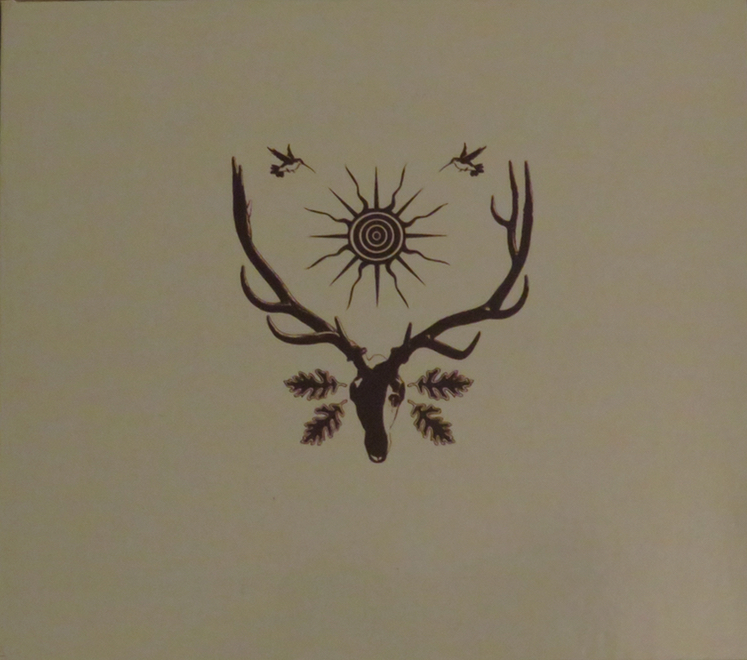
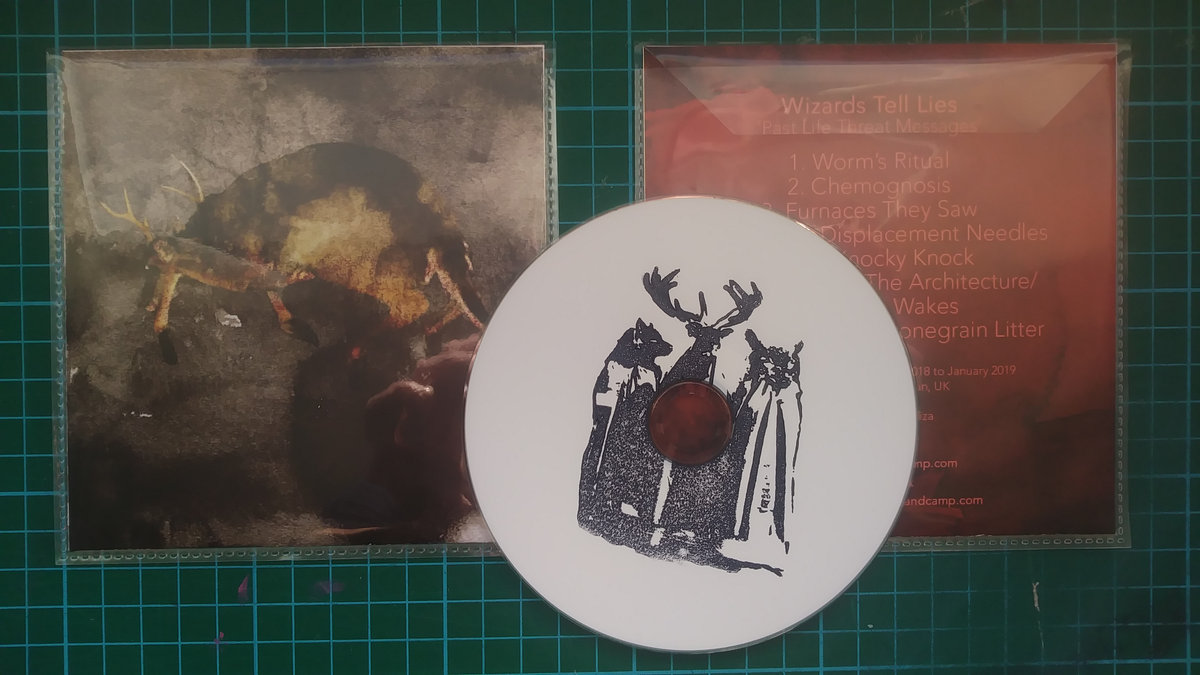
Advertisers, designers, artists and others are all drawn to the symbol but are often unable to explain precisely why they have used it, and why it remains such an efficient generator of fascination. Found stags have always occurred in human culture and representation, and even in earlier times they have often strayed beyond their “natural” territories (rural and hunting contexts) and appeared as found stags in unexpected domains. Found stags can manifest as artistically deployed “interpreted natural objects”, brewery logos, CD covers, military insignia and in many other forms, some of which will be presented here as they are found.
Sometimes the specific reasons behind its appearance have been lost with time, but in many cases there may not have been any stronger reason than the undiminished (and perhaps not fully explicable) power of the symbol itself. By gathering examples of the found stag, the project will attempt to identify the significance of each (type) of found stag and what it reveals about historical and contemporary cultural processes. It will also explore the conscious and unconscious motivations associated with its use, and begin to construct a history and analysis of this most intensively exploited symbol.